
Salt air from canals and the Intracoastal
Metal parts in heaters, pumps and lights corrode quickly here. Regular inspection catches damage before it turns into a failure.
Lighthouse Point is a small city built for boaters. Much of it is laid out on canals that lead to the Intracoastal Waterway and out toward the Hillsboro Inlet, and a large share of homes have a dock out back and a pool between the house and the seawall. Neighborhoods such as Venetian Isles and Coral Key follow that pattern, with water on at least one side of nearly every lot.
Living that close to salt water shapes everything about pool care here. Salt air reaches equipment pads, heaters, lights and screen enclosures, and humidity off the canals keeps electrical components damp. The water table rises and falls with the tides, and the ground near a seawall can shift over time. That movement, combined with the age of many pools, is why leak detection is such a common request in Lighthouse Point.
Housing ranges from original mid-century homes to large rebuilt waterfront properties, and pool equipment varies as much as the architecture. We see older single-speed systems next to modern variable-speed pumps, heat pumps and automation panels. We repair both kinds and give homeowners a straight answer on whether a part is worth fixing or replacing given the salt exposure.
ZIP code on our Lighthouse Point route: 33064.
Unexplained water loss near the seawall, heaters corroding within a few years and lights failing from moisture are the calls we get most often in Lighthouse Point.
Metal parts in heaters, pumps and lights corrode quickly here. Regular inspection catches damage before it turns into a failure.
The ground near canals can be saturated and shift over time. That stresses plumbing and shells and is a common source of leaks.
Many homes combine original plumbing with newer pumps and heat pumps. Diagnosing the whole system avoids fixing one piece while another fails.
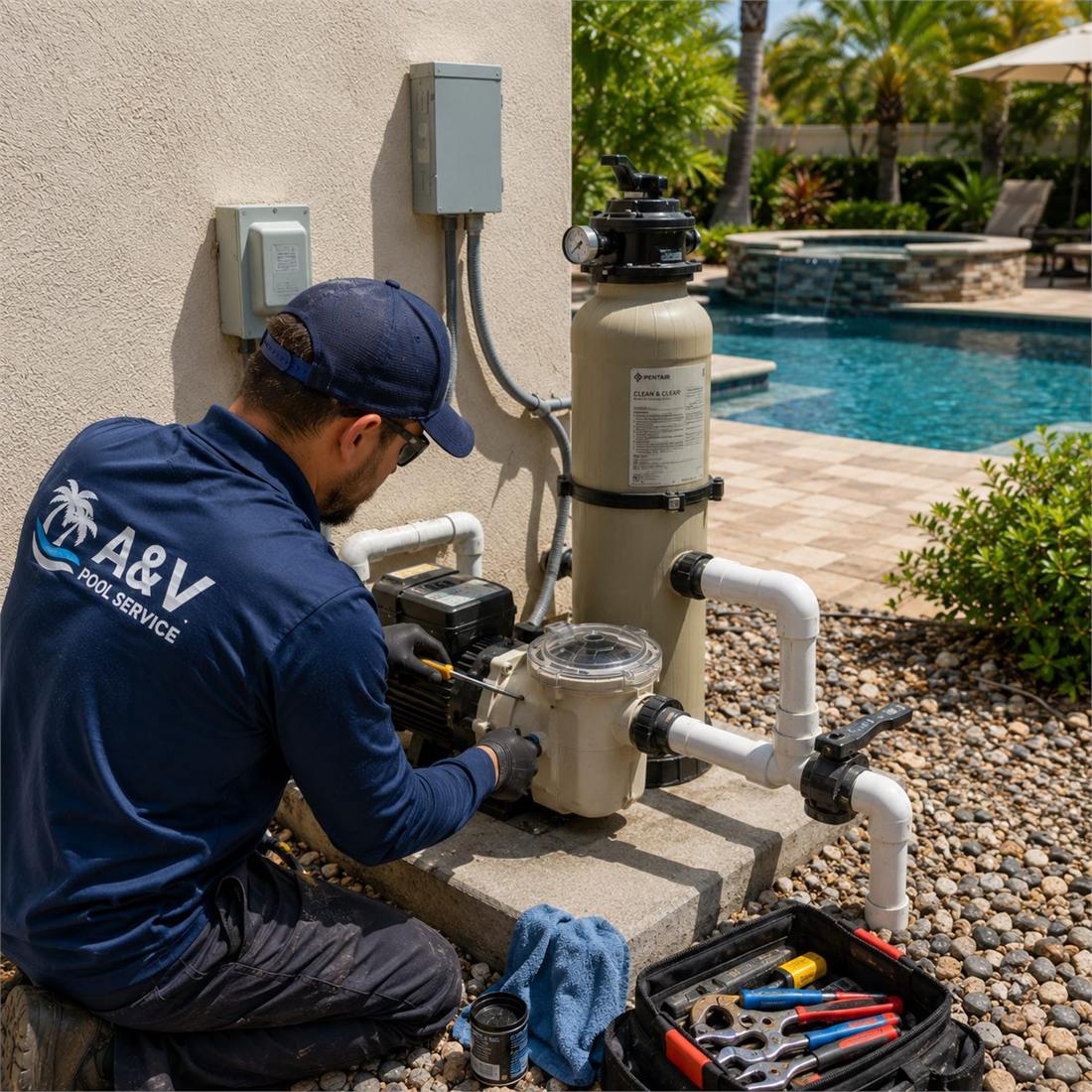
Salt air and humidity wear out heaters, motors and lights faster in Lighthouse Point, so timely repair keeps canal-front pools running.
Learn more →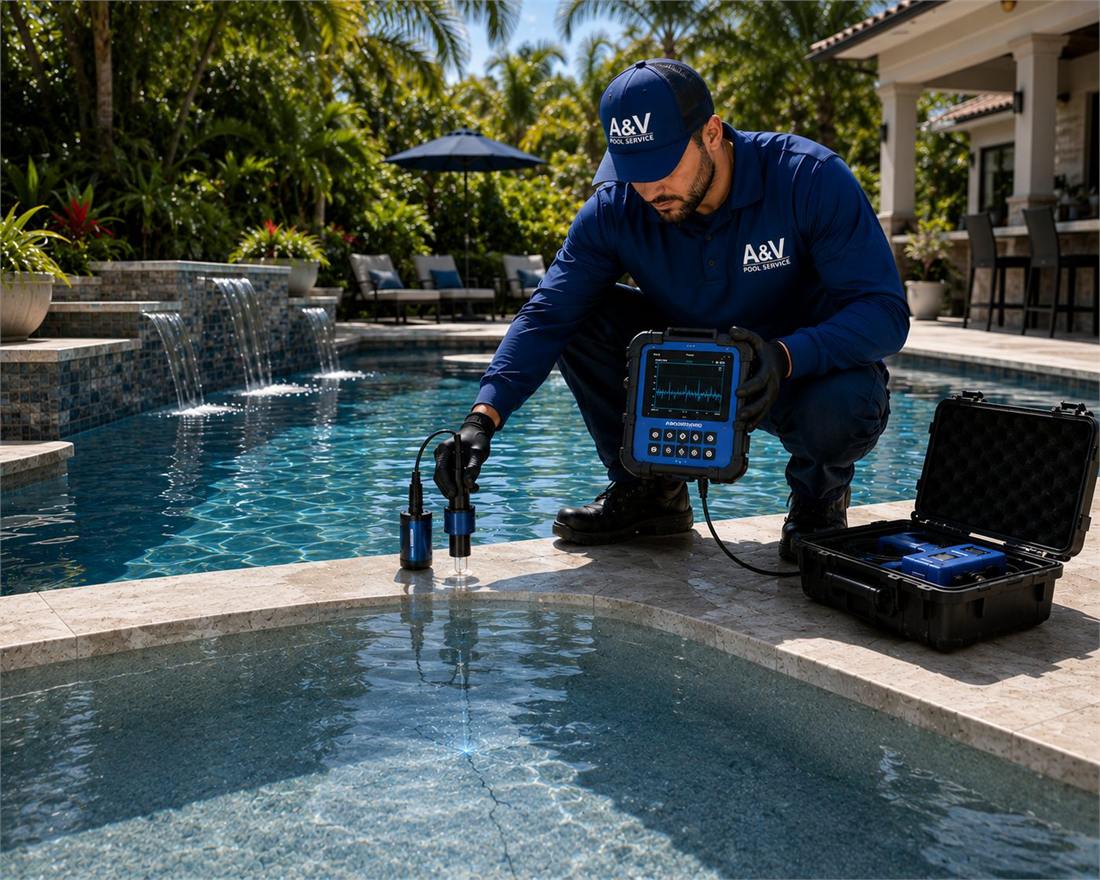
Tidal groundwater and ground movement near seawalls make leaks common, and pinpointing them avoids needless demolition.
Learn more →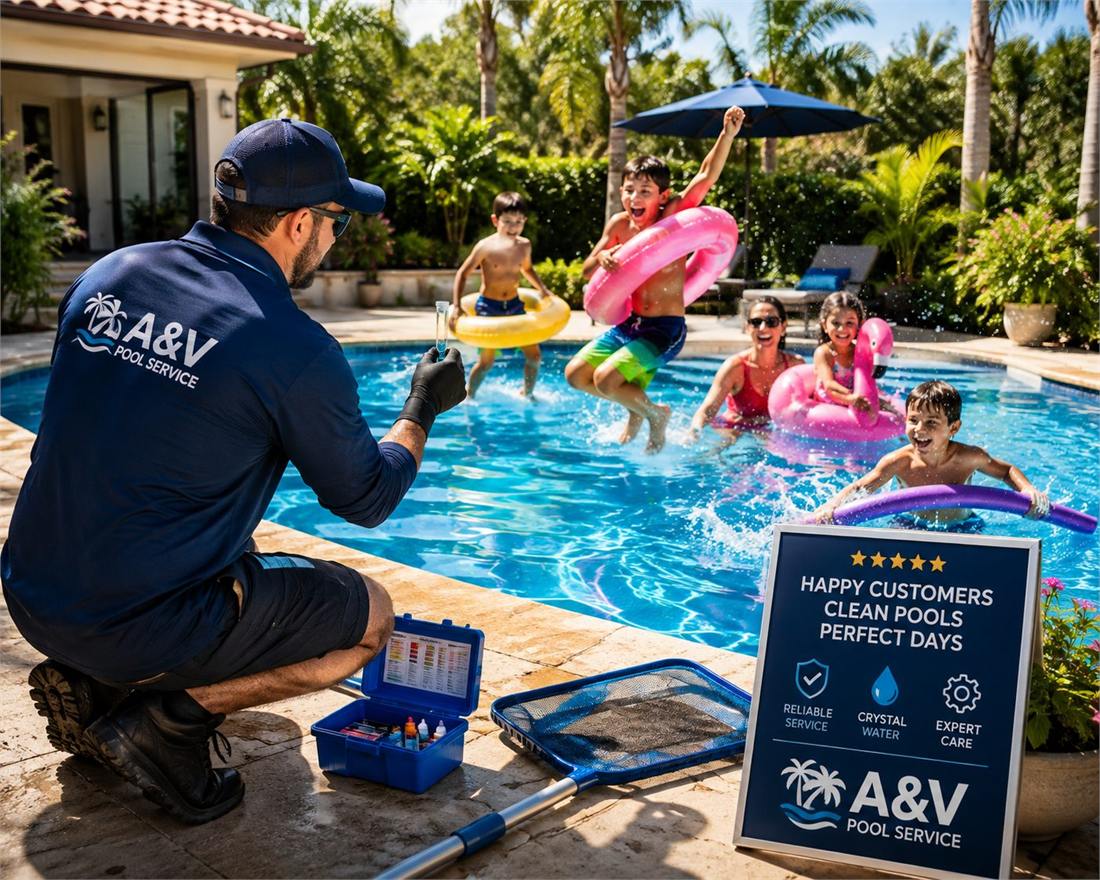
Weekly service lets us spot corrosion, water loss and chemistry drift early on waterfront pools.
Learn more →Cooler, calmer months bring more time outdoors and on the water. Pools and heaters should be in top shape for owners who entertain dockside.
The highest tides of the year push groundwater up near canals. We avoid draining or major shell work during those weeks.
Waterfront homes are exposed to wind, surge and salt spray. We help prepare pools and inspect equipment for water damage afterward.
One licensed crew for cleaning, repairs and leaks.
We pressure-test the plumbing lines and dye-test fittings, lights and cracks to locate the source. Ground movement near seawalls can stress pipes and shells, so we check those areas carefully before recommending any repair.
Salt air from the canals and the Intracoastal attacks heater cabinets and heat exchangers. Regular cleaning and inspection help, and when replacement time comes we recommend models built for coastal conditions.
We advise against it. The water table near canals peaks during king tides, and an empty pool can be pushed up by groundwater. We schedule draining and resurfacing for safer periods.
Yes. Those neighborhoods are part of our regular Lighthouse Point route, and we are used to working around docks, boats and seawalls.
Yes. Weekly service continues while you are gone, with chemicals included, and we let you know right away if equipment needs attention.
Lighthouse Point is ZIP code 33064, and we cover the entire city, including the canal neighborhoods, Venetian Isles and Coral Key.
From Lighthouse Point our route runs into Pompano Beach, Hillsboro Beach and Deerfield Beach.
Get a free quote today and let's get your water sparkling before the weekend.