
Heavy landscaping
Planted yards and pool-edge shrubs drop constant organic debris. Weekly brushing and filter care are essential, not optional extras.
Coconut Creek is known for green space, butterfly gardens and heavily planted communities, and that greenery ends up in its pools. Flowering shrubs, palms and shade trees drop petals, seed pods and fine organic material every week. Mulch beds that edge a pool deck wash into the water in heavy rain. The result is a steady organic load that feeds algae and pushes phosphates up, even in pools that look spotless from the patio.
Housing here is mostly planned communities from the 1970s onward, from single-family neighborhoods such as Winston Park and Regency Lakes to large 55-plus communities like Wynmoor, where clubhouse pools and spas serve many residents. Many backyard pools have an attached spa, and those small, hot bodies of water need their own attention: sanitizer burns off quickly, and heaters and jets work harder than the pool equipment beside them.
Our approach in Coconut Creek starts with the basics done thoroughly: skimming, brushing walls and steps, emptying baskets and keeping the filter clean so it can keep up with the debris. We test phosphates as well as chlorine and pH, and treating them directly usually ends the cycle of shocking a pool that keeps turning cloudy. When a pool is too far gone for weekly care, a full pool cleaning resets it.
ZIP codes on our Coconut Creek route: 33063, 33066, 33073, 33097.
Petal-filled skimmers, spas that will not hold chlorine, and pools that cloud up a few days after every rain are the Coconut Creek problems we solve most often.
Planted yards and pool-edge shrubs drop constant organic debris. Weekly brushing and filter care are essential, not optional extras.
Mulch, fertilizer and plant material add phosphates that feed algae. Treating them directly stops the need for repeated shocking.
Many Coconut Creek pools have a spillover or standalone spa. Hot water and small volume mean sanitizer disappears fast and heaters work hard.

Wynmoor and other association communities need logged chemistry and a certificate of insurance on request.
Learn more →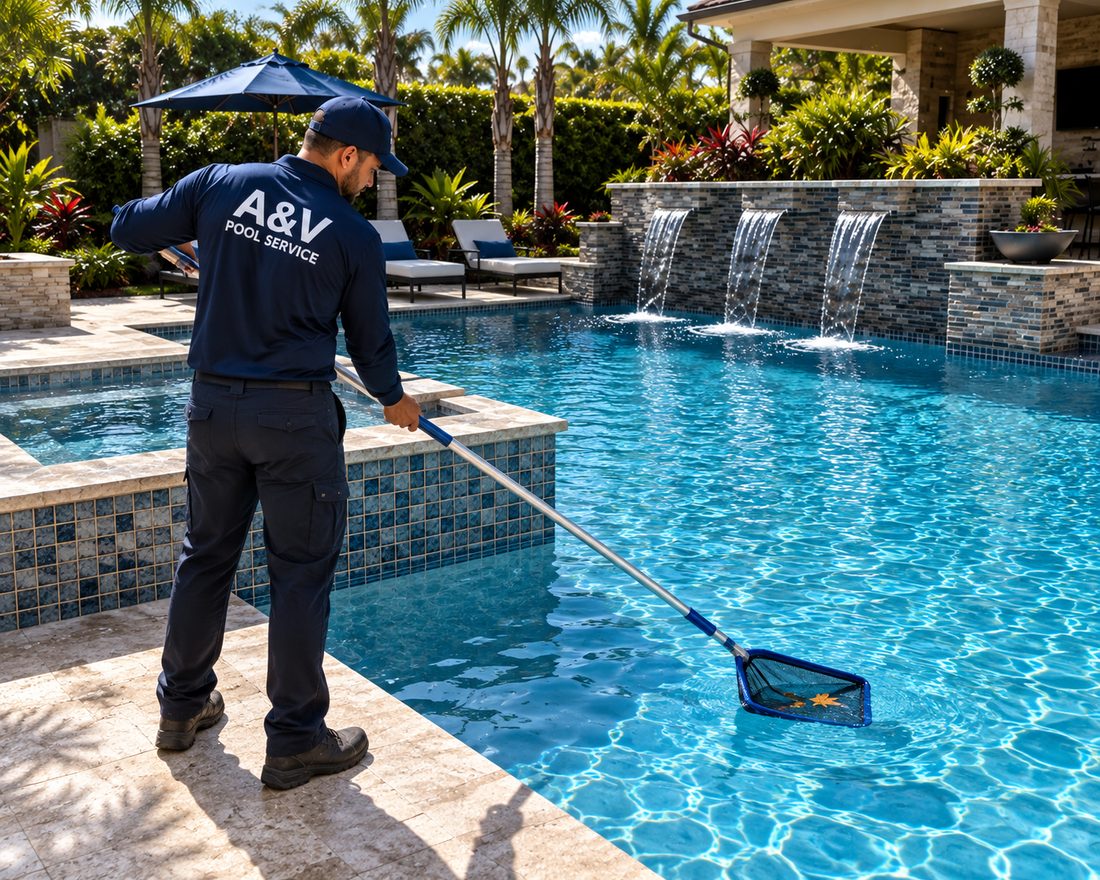
The organic load from landscaped yards means many pools here benefit from a periodic deep clean of walls, floor and filter.
Learn more →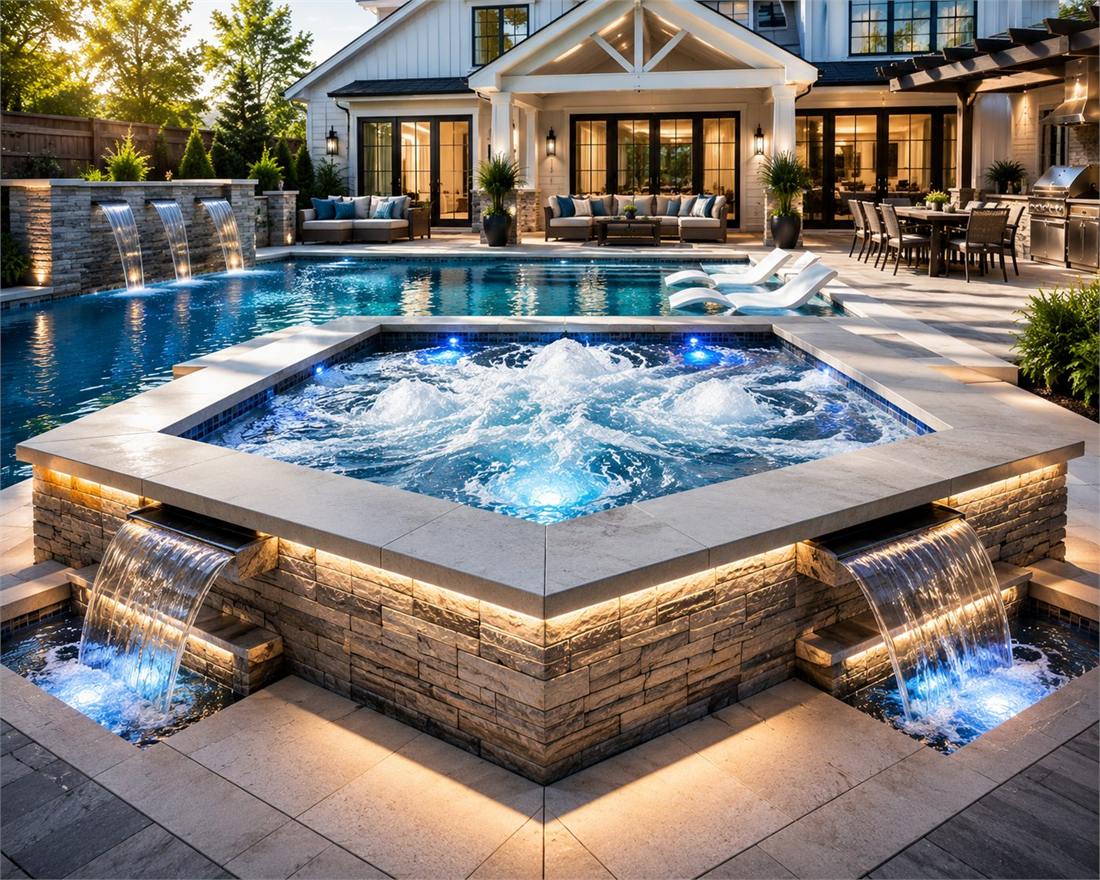
Attached and community spas are common, and their small hot volumes need more frequent testing and dependable heaters.
Learn more →Flowering trees and shrubs peak, and pollen and petals collect on the water. Filters load quickly, so we clean them more often.
Downpours wash mulch and fertilizer from planting beds into the pool. We rebalance and check phosphates after heavy rain.
Spas get the most use when evenings are cool. We check heaters, jets and sanitizer levels before the season starts.
One licensed crew for cleaning, repairs and leaks.
Landscaping is part of the city's character, and pool-side plants drop debris year round. We skim, brush and empty baskets every visit and can suggest simple ways to reduce what lands in the water.
High phosphates from mulch and plant matter are a common cause here. They feed algae faster than chlorine can keep up. Testing and treating phosphates directly usually solves it.
Yes. We test and balance the spa separately, clean its filter or skimmer, and check heater and jet operation. Small spas need closer attention than the pool.
We service association pools and spas in 55-plus and planned communities, with chemistry logged each visit and a certificate of insurance available on request.
Coconut Creek is on our route across 33063, 33066, 33073 and 33097, including Winston Park, Wynmoor, Regency Lakes and the Township. Call to confirm your day.
Our Coconut Creek customers share routes with Margate, Coral Springs, Deerfield Beach and North Lauderdale.
Get a free quote today and let's get your water sparkling before the weekend.